IT’S NOT JUST
WHERE IT HURTS.
- →Chronic tightness returns within days of massage or stretching, trapping you in a cycle of temporary relief
- →Shoulder, hip or calf restrictions refuse to budge despite months of manual therapy and rolling
- →Post-surgical adhesions or scar tissue limit your return to lifting, running or golf
A CLEARER WAY FORWARD.
Cupping therapy at TheraRehab uses negative pressure—not compression—to separate fascial layers, improve circulation, and unlock mobility that manual pressure alone cannot reach. Your therapist assesses the exact restriction, applies suction cups to lift and decompress the tissue, then guides you through active movement to lock in the gain.
Assessment & Cup Placement
Your Doctor of Physical Therapy palpates and tests movement to identify restricted tissue. Cups are positioned directly over the target area. You'll feel a distinct pulling sensation as suction begins.
Decompression Treatment
Cups remain stationary for 5–10 minutes for deep release, or glide along fascial lines while suction is maintained. Temporary circular skin marks are normal and fade in 2–5 days.
Active Movement Integration
After cupping, you move through the newly available range. Without movement, restriction returns. With movement, the mobility you gained is the mobility you keep.
CARE THAT
SEES YOU.
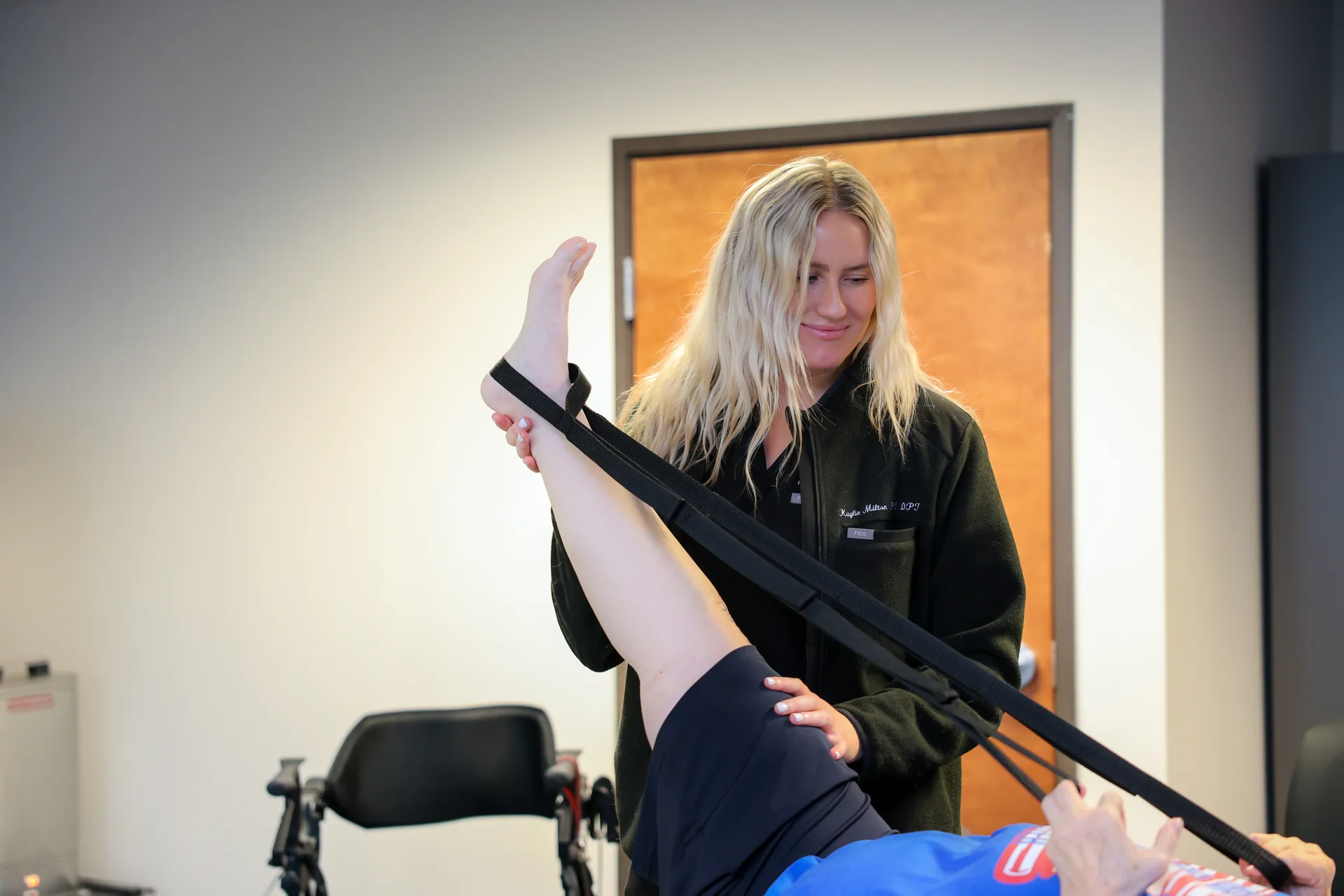
Reaches tissue layers and restrictions that resist conventional massage—the point where a stuck shoulder finally gives back range after months
Negative pressure draws fresh fluid into dehydrated fascia, restoring normal gliding capacity and reducing chronic tightness
Often combined with dry needling, manual therapy or corrective exercise to address the neuromuscular and movement components alongside fascial release
WHAT TO KNOW BEFORE YOU START.
Will cupping leave marks on my skin?+
Temporary circular marks are a normal part of the decompression process. They result from the suction lifting tissue and increasing blood flow to the area. Marks typically fade within 2–5 days and do not indicate bruising or injury.
How is cupping different from a deep tissue massage?+
Massage compresses tissue downward; cupping lifts tissue away from underlying structures using negative pressure. This separation creates space, improves circulation, and releases fascial restrictions that pressure-based techniques cannot access. Many patients find relief with cupping after massage has plateaued.
Is cupping painful?+
You will feel the suction—a pulling sensation distinct from anything else. Most patients describe it as unusual but not painful. Your therapist adjusts cup pressure to match your comfort, and communication during treatment ensures the intensity is right for you.
How often should I get cupping therapy?+
Frequency depends on your specific restriction, activity level and goals. Your therapist will recommend a plan during your initial assessment. Cupping is often used as one tool alongside manual therapy and corrective exercise to build lasting mobility and prevent return of tightness.
More about Cupping Therapy in Dallas, TX
Decompression, not compression.
Cupping creates a negative pressure environment by applying suction cups to the skin. Rather than compressing tissue like massage, the suction lifts the superficial tissue layers away from the underlying structures. This mechanical separation creates space, improves circulation, and allows restricted fascia to release in a way that hands-on pressure cannot replicate.
At TheraRehab & Wellness, cupping is used as myofascial decompression, a clinical application based on anatomical knowledge, not the traditional eastern cupping practice. Cups may be applied stationary to target specific restrictions, or moved along fascial lines and muscle bellies for broader effect.
Effective for fascial restrictions, tight muscles, and athletic recovery.
If you have chronic tightness that returns after stretching, restricted areas that do not release with massage, or athletic recovery demands, cupping may provide the access that compression-based techniques cannot.
Unusual sensation, meaningful release.
Assessment and Cup Placement
Your therapist identifies restricted tissue through palpation and movement testing. Cups are placed directly over the target area. You will feel the suction, a pulling sensation distinct from anything else.
Decompression Treatment
Cups may remain stationary for 5 to 10 minutes for deep decompression, or glide along fascial lines while suction is maintained. Temporary skin discoloration (circular marks) is normal and resolves in 2 to 5 days.
Active Movement Integration
After cupping, you move the tissue through its newly available range. Without movement, the restriction comes back. With movement, the range you just gained is the range you keep.
Mobility that compression-based work could not unlock.
Cupping reaches tissue layers and restrictions that resist conventional massage and manual therapy. It is often the point where a shoulder that has been stuck for months finally gives back some range.
Lifting rather than compressing fascial tissue releases restrictions that have not responded to pressure-based techniques.
The negative pressure draws fresh fluid into dehydrated fascial tissue, restoring its normal gliding capacity.
Suction increases blood flow to restricted areas, delivering oxygen and nutrients to chronically tight tissue.
Suction lifts scar tissue and post-surgical adhesions away from what they are stuck to, so the tissue underneath can glide again.
Services commonly combined with cupping.
Dry Needling
Trigger point release that addresses the neuromuscular component of tightness alongside the fascial work cupping provides.
Manual Therapy
Joint mobilization and soft tissue work that complements the fascial release achieved with cupping.
Physical Therapy
The corrective exercise that locks in the mobility gains produced by cupping.