


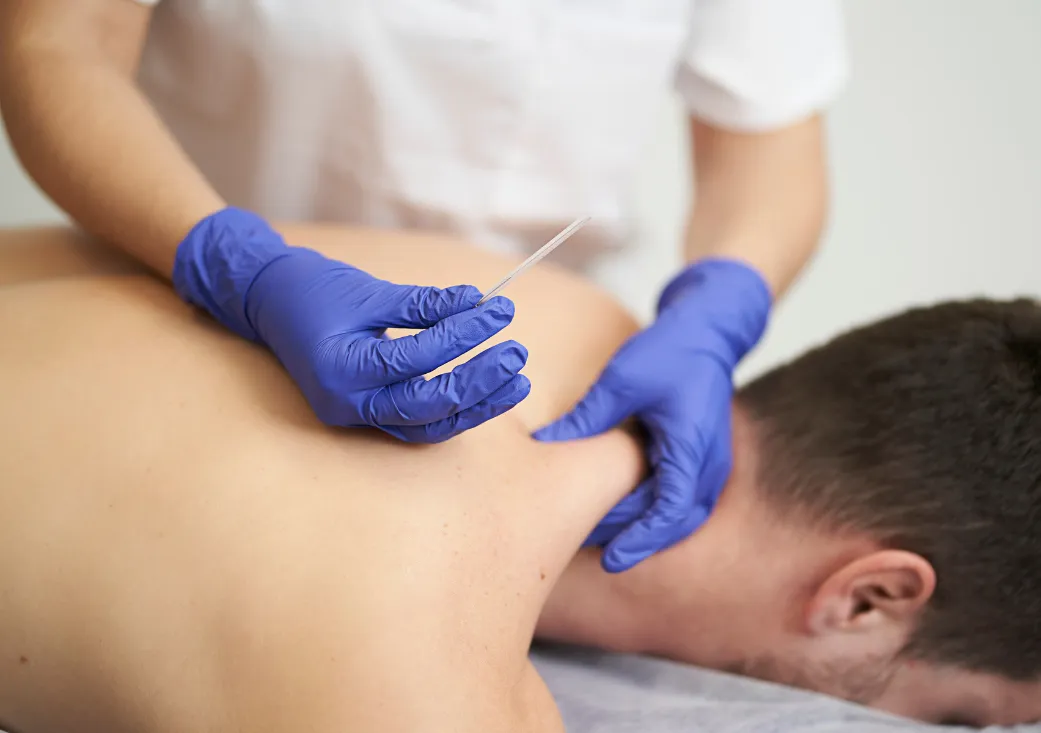
One of the most frequent questions patients ask us before their first appointment is: Can dry needling make pain worse? If you are considering this treatment for chronic pain or injury recovery, it is completely valid to wonder if inserting needles into tight muscles might temporarily increase your discomfort.
At TheraRehab & Wellness, we believe that an informed patient is a confident patient. While dry needling is a highly effective, evidence-based treatment for relieving pain and improving mobility, it does trigger a physical response in the body that can sometimes feel like “worsening” pain before the relief sets in.
In this guide, we will break down exactly what happens to your body during and after dry needling, why post-treatment soreness occurs, and how to distinguish between therapeutic recovery and actual injury.
The Short Answer: Can Dry Needling Make Pain Worse?
The short answer is yes, but likely not in the way you fear. It is common to experience temporary soreness or a sensation that feels like a heavy workout immediately following a session. This is often referred to as the “needle hangover.”
However, this temporary increase in sensation is usually a sign that the treatment is working. It indicates that the muscle has responded to the stimulation and is beginning the remodeling process necessary for healing. True “worsening” of the underlying condition—where the injury itself is aggravated—is rare when performed by a certified professional.
Understanding the “Twitch Response”
To understand why you might feel sore, you first need to understand how dry needling works. Unlike acupuncture, which focuses on energy flow (meridians), dry needling is strictly mechanical and targets trigger points—tight bands of skeletal muscle located within a larger muscle group.
When your physical therapist inserts a thin monofilament needle into a trigger point, it often elicits a “local twitch response.” This is a rapid contraction and release of the muscle fiber. This twitch is the goal; it signals that the knot has been physically disrupted, allowing the muscle to relax and blood flow to return to the area.
However, that rapid contraction utilizes energy and releases lactic acid, similar to what happens during intense exercise. This is why the area often feels sore or fatigued afterward.
Differentiating “Therapeutic Soreness” from “Bad Pain”
When patients ask, “can dry needling make pain worse,” they are often worried about damaging their body. It is crucial to distinguish between the therapeutic soreness of recovery and pain that signals something is wrong.
Therapeutic Soreness (Normal)
- Muscular Ache: Feels like you did a heavy gym workout or ran a marathon.
- Duration: Typically lasts 24 to 48 hours.
- Bruising: Minor bruising at the insertion site is common and harmless.
- Fatigue: You may feel generally tired as your body processes the release of tension.
“Bad” Pain (Abnormal)
- Sharp or Shooting Pain: While a quick sharp sensation during the twitch is normal, lasting sharp pain is not.
- New Numbness: Significant numbness or tingling that persists after the appointment.
- Signs of Infection: Redness, heat, or swelling that spreads from the insertion site (very rare).
If you experience symptoms in the “Abnormal” category, you should contact your provider immediately. However, for the vast majority of patients at our Dallas, TX clinic, the sensation is purely muscular soreness that dissipates quickly.
Managing Post-Treatment Soreness
If you do experience post-treatment soreness, know that it is temporary. The ultimate goal of dry needling is to reduce your baseline pain and restore function. Here are specific ways to minimize discomfort and speed up the recovery process:
1. Hydrate Aggressively
Hydration is non-negotiable. Releasing trigger points releases metabolic waste products into your system. Drinking plenty of water helps flush these out and reduces muscle cramping and fatigue.
2. Keep Moving
It might be tempting to stay on the couch if you feel sore, but gentle movement is actually better. Light walking or gentle stretching helps keep blood flowing to the treated area, which aids in healing and prevents stiffening.
3. Use Heat or Ice
Different bodies respond differently, but generally:
- Heat (Moist Heat): Great for relaxing muscles that feel tight or achy after treatment.
- Ice: Helpful if there is any localized inflammation or bruising at the needle site.
4. Arnica Gel
For patients who bruise easily, applying Arnica gel can help reduce discoloration and tenderness around the insertion points.
Why Choose Dry Needling if it Causes Soreness?
You might be wondering, “Why should I do it if can dry needling make pain worse temporarily?”
The answer lies in the long-term results. Chronic pain, stiffness, and limited range of motion often stem from deep muscular dysfunction that surface-level massages or heat packs simply cannot reach. Dry needling allows a physical therapist to target the root cause of the mechanical pain deep within the tissue.
Once the initial soreness fades (usually within a day), most patients report:
- Significant reduction in their original pain.
- Improved flexibility and range of motion.
- Better muscle firing patterns during exercise.
- Relief from chronic headaches or sciatica.
Is Dry Needling Right for You?
Dry needling isn’t for everyone, and it isn’t for every condition. It is typically part of a comprehensive treatment plan that includes exercise and manual therapy. It is highly effective for:
- Chronic lower back pain
- Neck pain and stiffness (tech neck)
- Tennis elbow or golfer’s elbow
- Sciatica
- Plantarl fasciitis
- Athletic injuries
During your initial evaluation at TheraRehab & Wellness, we assess your specific medical history. If you have a fear of needles or certain medical conditions, we might recommend alternative therapies like Cupping, Shockwave Therapy, or Laser Therapy instead.
Experience Expert Physical Therapy in Dallas
When it comes to invasive techniques like dry needling, the skill of the practitioner matters. You want a provider who understands anatomy intricately to minimize discomfort and maximize relief.
At TheraRehab & Wellness, led by Dr. Mark Anthony Rodriguez, we specialize in helping the Dallas community regain strength and renew their lives. We don’t just treat symptoms; we hunt down the root cause. Whether you are a “weekend warrior” dealing with a calf strain or someone managing chronic arthritis, our proven 4-phase recovery program is designed to get you back to the life you love.
We are proud to be a top-rated physical therapy clinic in Dallas, consistently receiving 5-star reviews for our personalized approach. We understand the hesitation around new treatments, and we are here to answer every question you have—including the tough ones about pain and recovery.
The Verdict: Short-Term Soreness for Long-Term Gain
So, can dry needling make pain worse? Only in the short term, and only as a side effect of your muscles waking up and healing. The temporary ache is a small price to pay for the breakthrough relief that often follows.
If you are living with pain in the Dallas area and are ready to try a different approach, we are here to help. Don’t let the fear of temporary soreness keep you from the long-term relief you deserve.
Ready to see if dry needling is right for you?
Request an appointment today with TheraRehab & Wellness and take the first step toward living pain-free.