


When you’re dealing with muscle pain, tightness, or injury, finding the right treatment is key to your recovery. You’ve likely heard about both dry needling and massage, but understanding the differences can be confusing. This guide breaks down dry needling vs massage, helping you decide which therapy is the best fit for your specific needs. At TheraRehab & Wellness, our expert physical therapists are here to guide you on your path to recovery.
Both treatments aim to relieve pain and improve function, but they work in very different ways. Massage therapy involves hands-on techniques to manipulate soft tissues, while dry needling uses fine needles to target specific trigger points within the muscle. Knowing which one to choose depends on the root cause of your pain, your treatment goals, and your personal preferences.
What is Dry Needling?
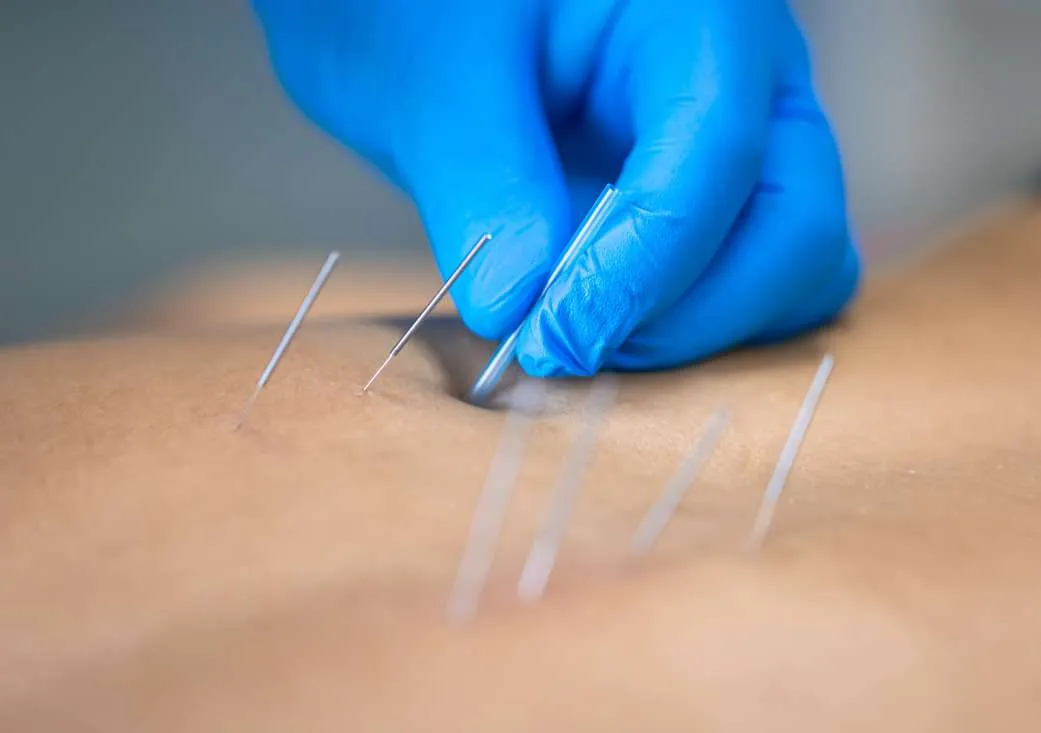
Dry needling is a skilled intervention performed by a certified physical therapist that uses a thin monofilament needle to penetrate the skin and stimulate underlying trigger points, muscular tissues, and connective tissues. A “trigger point” is a tight band of skeletal muscle located within a larger muscle group. These points can be tender to the touch and can refer pain to other parts of thebody.
During a dry needling session, the therapist inserts the needle directly into the trigger point. This elicits a localized twitch response, which is an involuntary reflex that causes the muscle fibers to contract and then relax. This process helps to:
- Release muscle tension and tightness.
- Improve blood flow to the area.
- Reduce inflammation and pain.
- Restore normal muscle function and range of motion.
Despite the use of needles, dry needling is not the same as acupuncture. It is based on modern Western medicine principles and is used to treat musculoskeletal pain and dysfunction.
What is Massage Therapy?
Massage therapy is a well-known manual technique that involves manipulating the body’s soft tissues—muscles, tendons, ligaments, and fascia. Therapists use their hands, fingers, elbows, and forearms to apply pressure and movement. There are many different types of massage, from a gentle Swedish massage for relaxation to a deep tissue massage for chronic tension.
The primary goals of massage therapy are to:
- Increase circulation and promote relaxation.
- Reduce muscle soreness and stiffness.
- Improve flexibility and joint mobility.
- Relieve stress and promote a sense of well-being.
Massage works by warming and stretching the muscles, breaking down adhesions (or “knots”), and flushing out metabolic waste. It’s a holistic treatment that benefits both the body and mind.
Key Differences: Dry Needling vs Massage
While both therapies aim to relieve muscle pain, their approach, mechanisms, and ideal applications are quite different.
Technique
- Dry Needling: Uses thin, solid needles to precisely target and release specific trigger points deep within the muscle tissue. It is an invasive technique that requires specialized certification.
- Massage: A non-invasive, hands-on technique that uses various strokes, pressures, and movements to manipulate larger areas of soft tissue.
Mechanism of Action
- Dry Needling: Works by creating a micro-lesion in the tissue, which stimulates a healing response and causes a twitch response to release the trigger point. This directly addresses the source of muscle dysfunction.
- Massage: Works by manually stretching and relaxing muscles, improving blood flow, and stimulating the nervous system to release endorphins, which are the body’s natural painkillers.
Target Area
- Dry Needling: Extremely targeted. It focuses on releasing specific, dysfunctional trigger points that are often the root cause of pain and movement restriction.
- Massage: More general. It treats broader muscle groups and addresses overall muscle tension, soreness, and relaxation.
Conditions Treated
- Dry Needling is often recommended for:
-
- Chronic pain conditions like fibromyalgia.
- Myofascial pain syndrome.
- Headaches and migraines caused by neck tension.
- Sports injuries and tendonitis.
- Sciatica and lower back pain.
- Massage is often recommended for:
-
- General muscle soreness and stiffness.
- Stress and anxiety relief.
- Improving circulation and flexibility.
- Post-exercise recovery.
Which Therapy Should You Choose?
The choice between dry needling and massage depends on your specific condition and goals.
Choose Dry Needling if:
- You have chronic, specific points of pain that don’t respond to other treatments.
- Your pain is related to identifiable trigger points.
- You have limited range of motion due to muscle tightness.
- You are looking for a treatment that provides quick, targeted relief.
Choose Massage if:
- You have general muscle soreness and tension across a wide area.
- Your primary goal is relaxation and stress relief.
- You prefer a non-invasive treatment.
- You want to improve overall circulation and flexibility.
In many cases, dry needling and massage can be used together as part of a comprehensive physical therapy plan. Massage can help prepare the muscles for dry needling by warming them up, and it can also help flush out any residual soreness after a needling session.
Take the Next Step in Your Recovery
Understanding the differences between dry needling vs massage is the first step toward finding the right treatment for your pain. Whether you need the targeted relief of dry needling or the broad benefits of massage, the expert team at TheraRehab & Wellness in Dallas is here to help. Our certified therapists will conduct a thorough assessment to identify the root cause of your discomfort and create a personalized treatment plan to help you achieve your goals.
Don’t let pain hold you back any longer. Request an appointment with our physical therapists today and start your journey toward a pain-free life.